
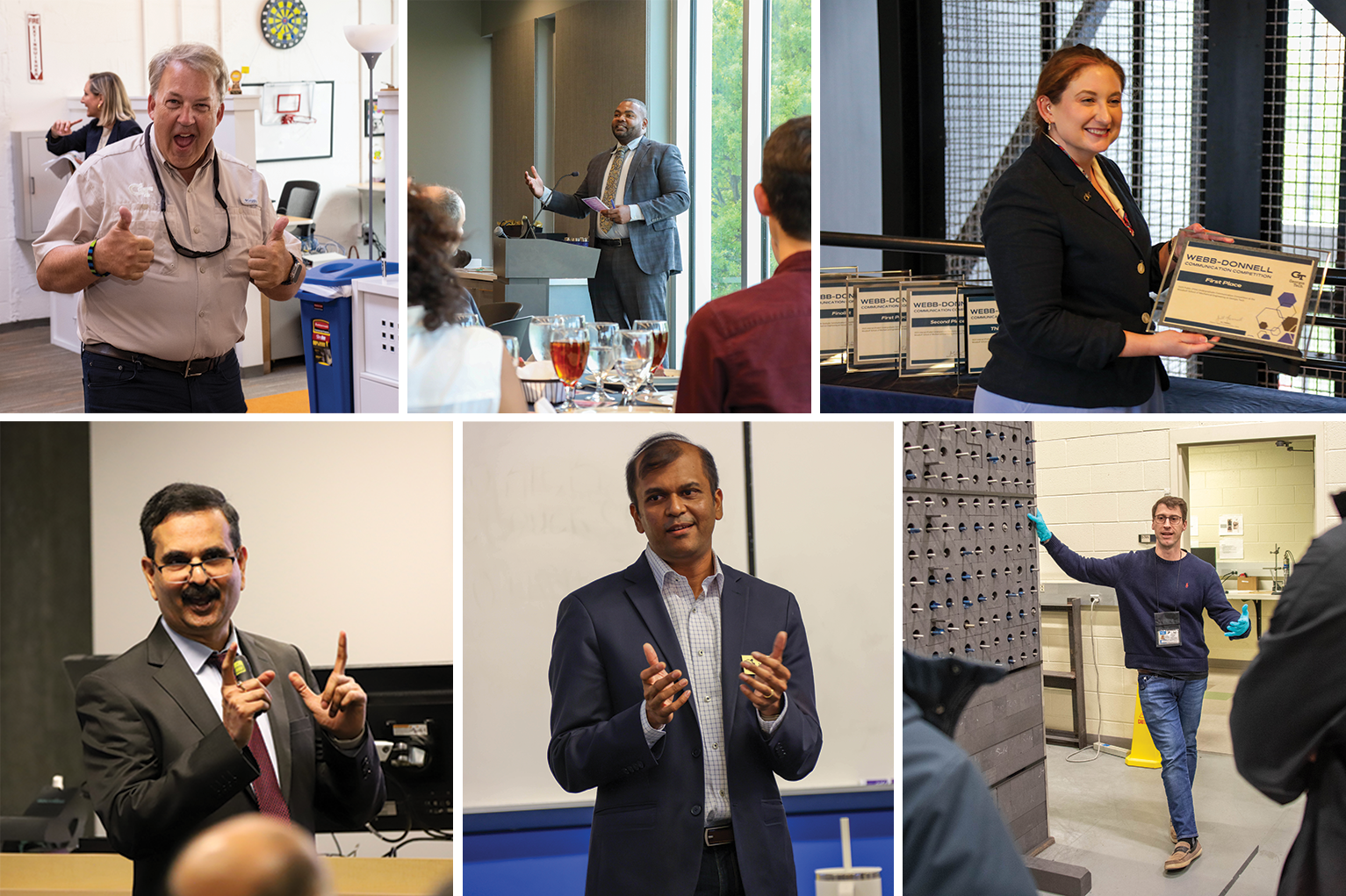
Teaching Faculty Driving Innovation in the Woodruff School
March 3, 2026
By Tracie Troha
At the George W. Woodruff School of Mechanical Engineering, the teaching faculty do far more than deliver lectures. They design experiences, build ecosystems, and lead curriculum innovation that shapes how students learn, collaborate, and prepare for engineering careers. As the School prepares to hire a new cohort of teaching faculty this year, the work of its current educators offers a compelling look at what makes the Woodruff School a distinctive place to teach.
Connecting Students to Opportunity
As associate chair for outreach and engagement, Jonathan Gaines develops leadership and outreach initiatives that connect students to opportunity and strengthen community pathways into mechanical engineering.
One of his projects is Woodruff Connect, a centralized platform that streamlines the way students, faculty, and staff access events, workshops, job postings, volunteer opportunities, and community activities. The system pushes events directly to personal calendars, allows users to post opportunities, and tracks student engagement in programs such as the Women of Woodruff (WoW) Leadership Symposium.
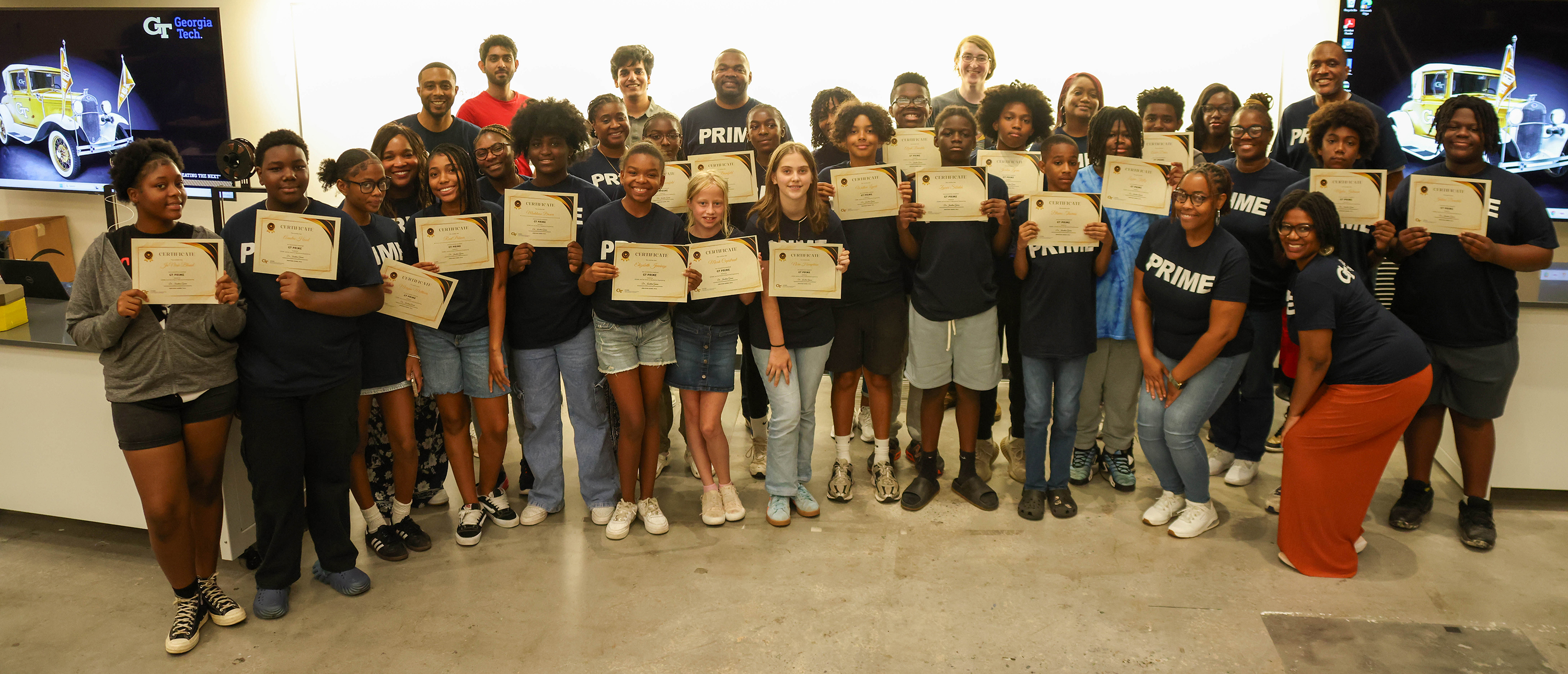
Gaines also leads GT PRIME, a multi-week summer STEM immersion and mentoring program for middle school youth and school counselors. Launched in 2024, the program blends technical learning with personal development and has served more than 500 participants while deepening the School’s ties across the Atlanta community.
“I want to focus on building a legacy of helping people,” Gaines said. “That’s where my passion is.”
Beyond outreach, Gaines conducts engineering education research, coordinates alumni engagement, and actively pursues grants to expand his programs.
Designing Learning Through Experience
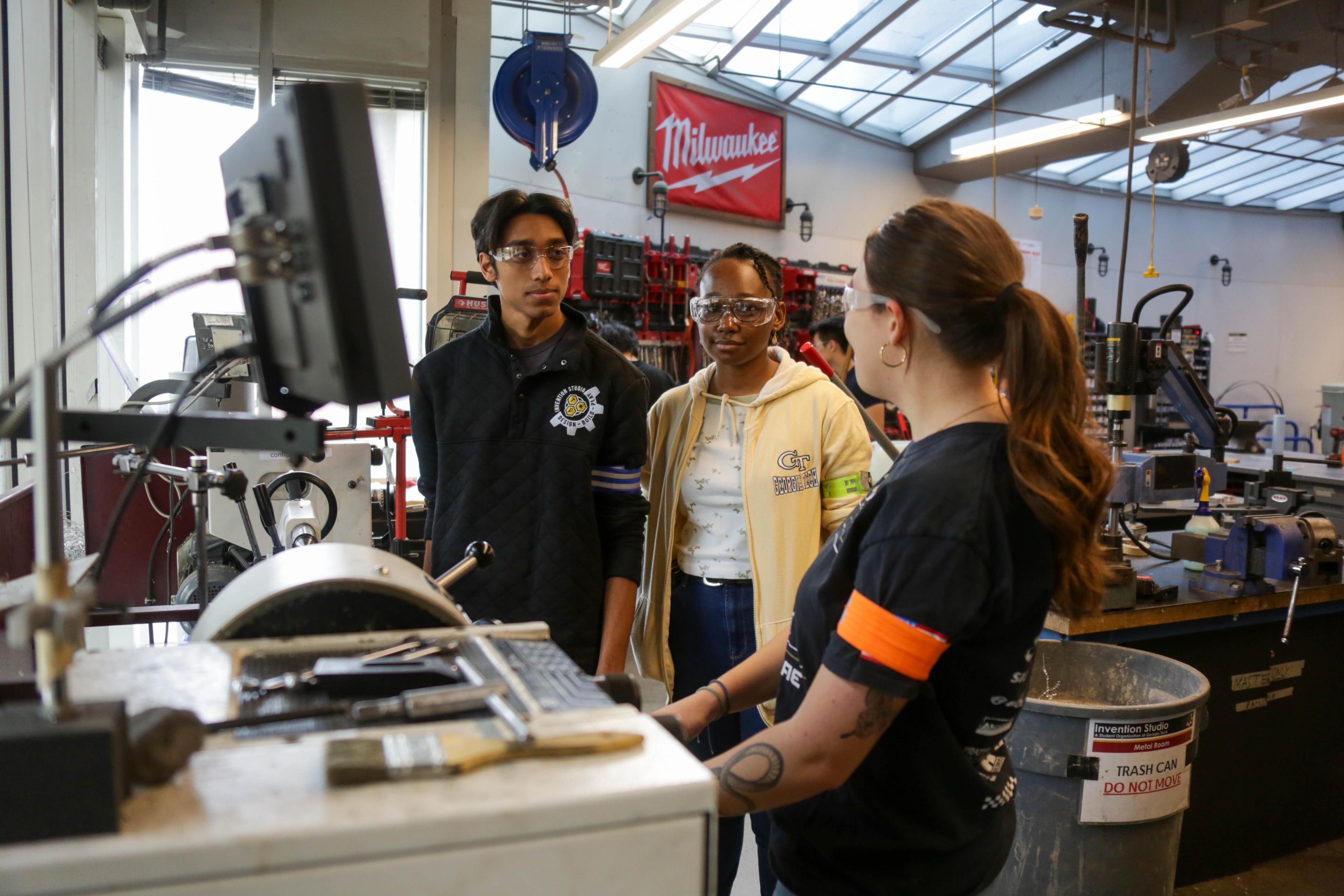
Amit Jariwala, director of design, innovation and experiential learning, helps shape the hands-on, student-centered culture that defines the Woodruff School.
“I’m most energized by the way students take ownership of their learning here,” he said. “Georgia Tech empowers students to lead—from mentoring peers to shaping how we design and build in our makerspaces—and my role lets me co-create with them.”
Jariwala describes teaching innovation as a continuous loop where “practice informs curriculum and curriculum fuels practice.” Collaboration plays a central role, with alumni and advisory board members regularly contributing to classroom and lab experiences.
“If you care about designing curricula that help students learn by doing and reflect by sharing, this is a uniquely fertile environment,” he said.
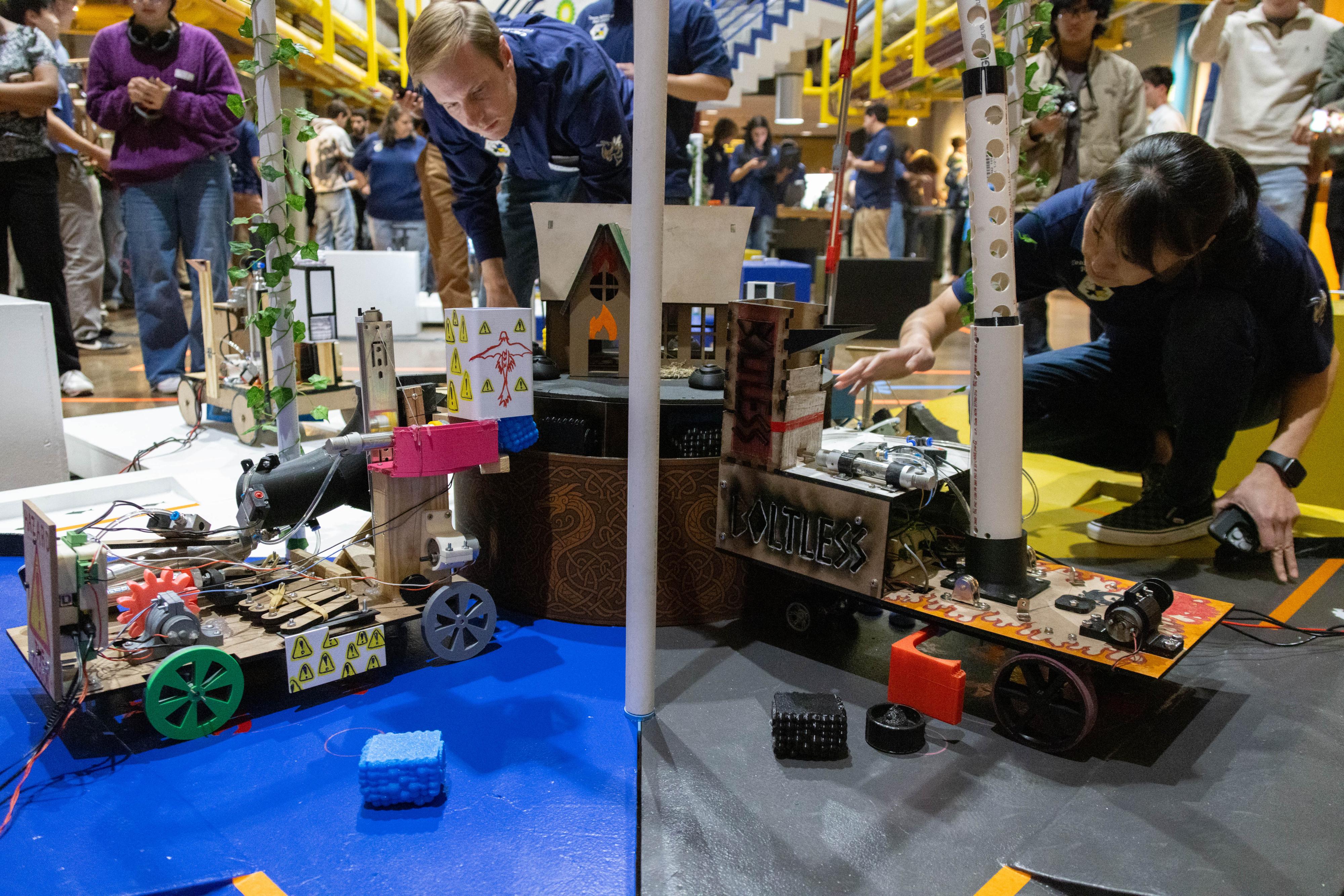
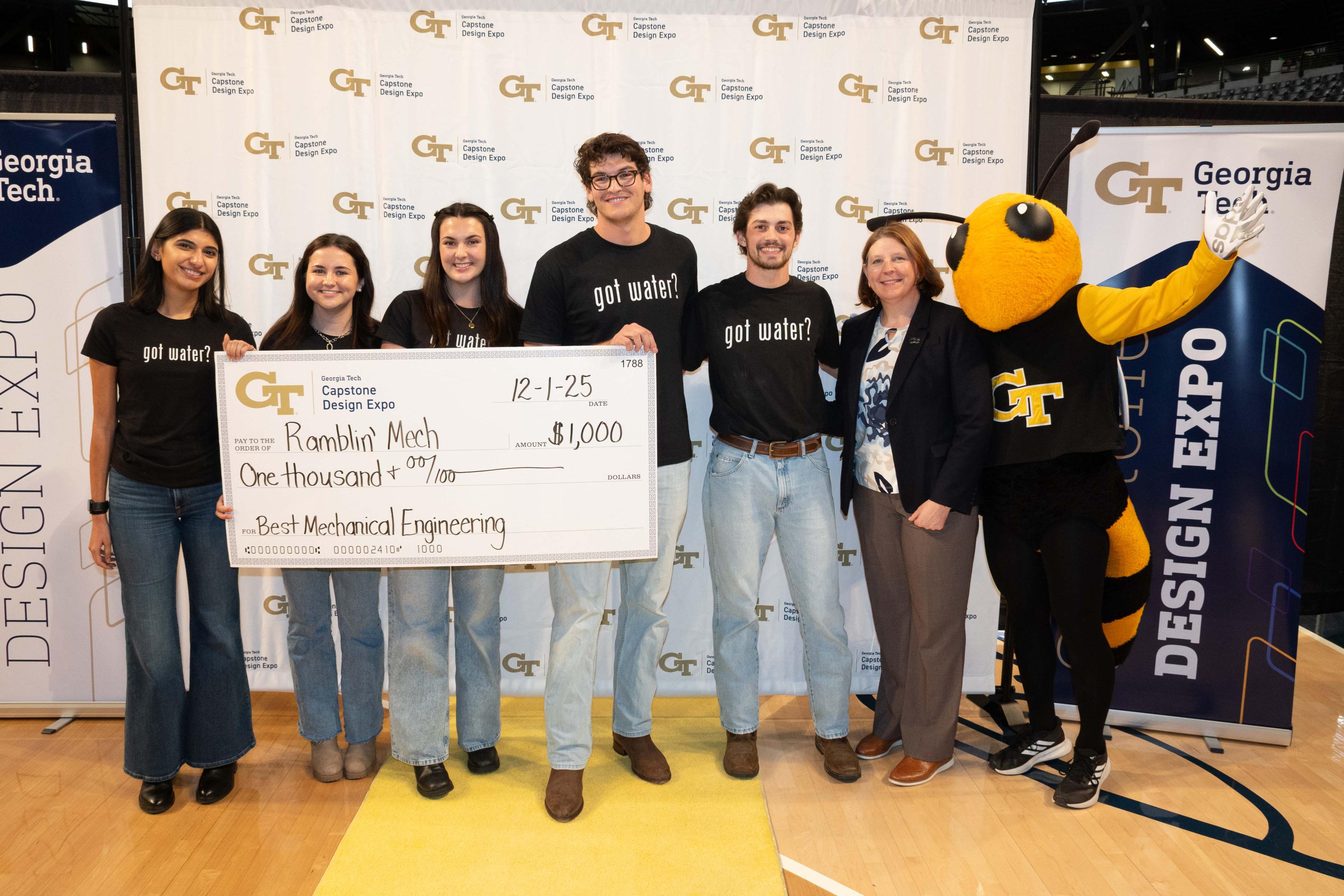
Leadership and teaching fellowships across campus have helped Jariwala build a strong professional network dedicated to advancing teaching excellence. Within the Woodruff School, the Flowers Invention Studio, Capstone Design Expo, ME 2110 course, Student Competition Center, and the Engineering Education Research Area Group exemplify the School’s leadership in hands-on learning.
Jariwala’s advice for future teaching faculty is simple: start with student agency, build partnerships early, and take advantage of Georgia Tech’s teaching resources.
“GT is an incredibly large organization of world-class experts,” he said. “Actively seek out new connections to grow your network and mentorship.”
Reimagining Engineering Communication
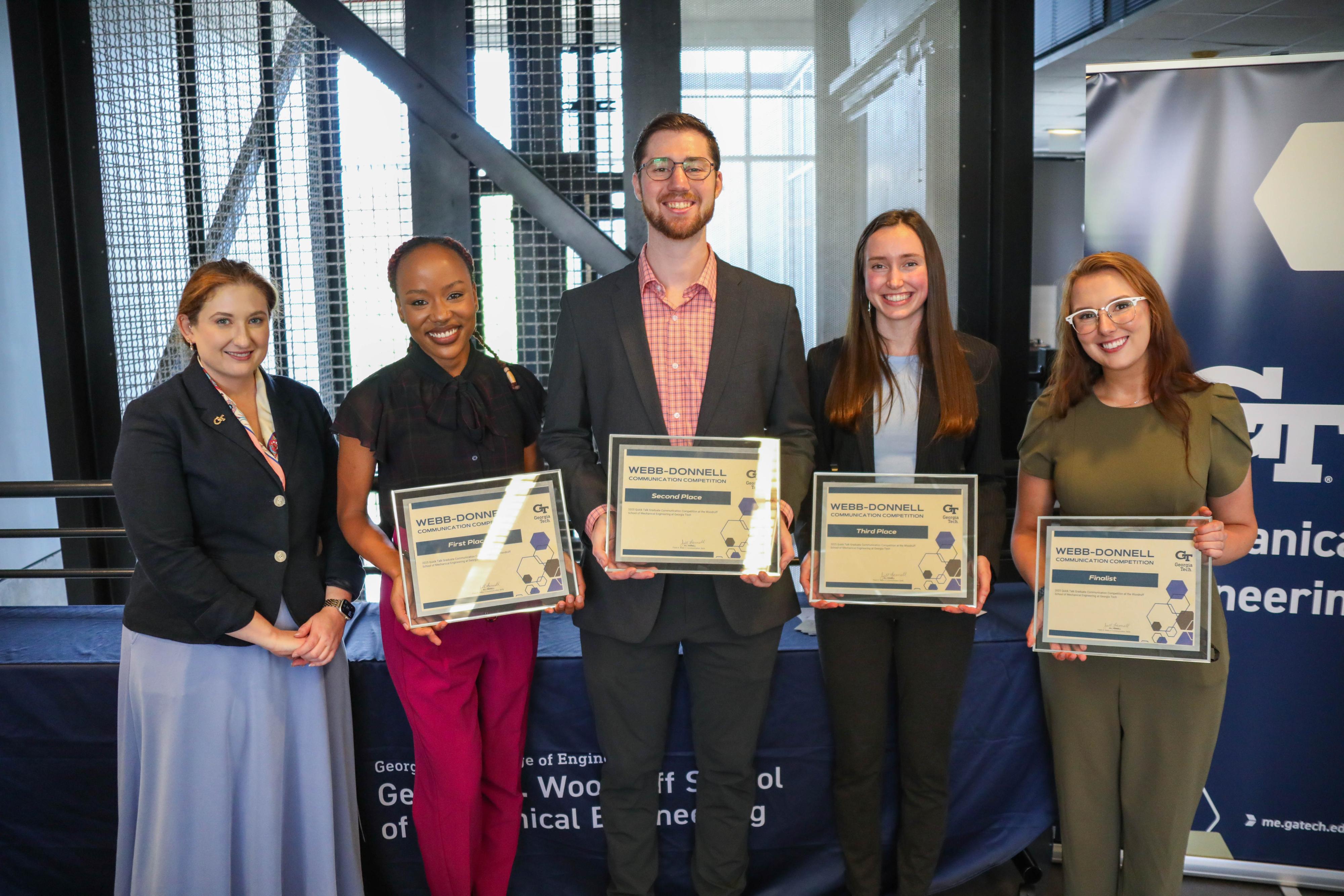
Jill Fennell, the Frank K. Webb Academic Professional Chair in Communication Skills, leads a nationally distinctive approach to integrating communication into engineering education. Through the Webb Communication Program, students complete workplace-ready communication assignments embedded directly into mechanical engineering courses.
One example is Burdell Inc., a fictional engineering firm used across multiple classes. The shared framework places students in realistic scenarios with clients, constraints, and trade-offs, reinforcing communication as a core engineering skill rather than an add-on.
“The Woodruff School really embraces innovation,” she said. “It allows us to build assignments with academic and professional merit.”
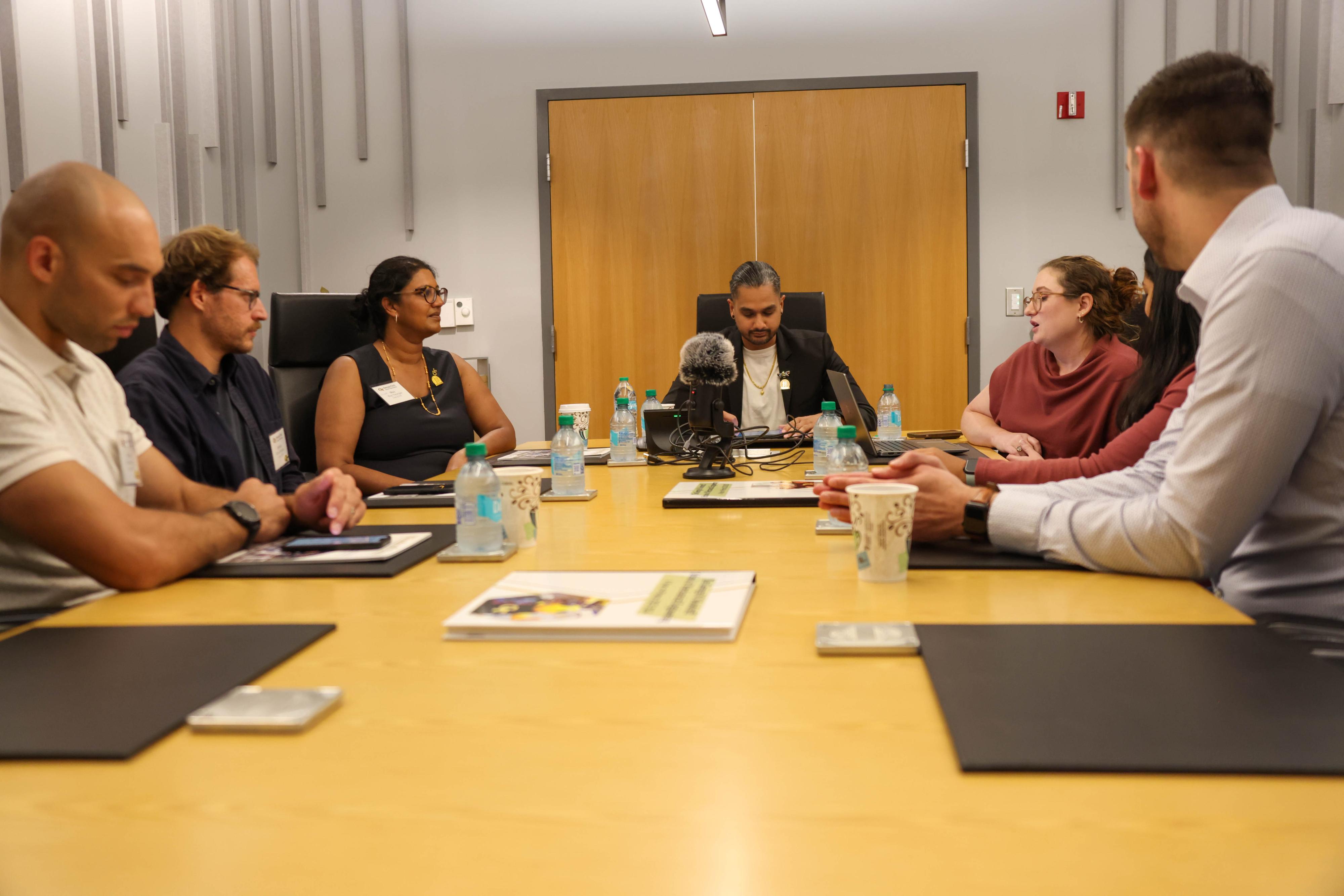
Fennell also leads the Webb-Donnell Communication Competitions and hosts the Webb Communication Podcast, which explores communication challenges with faculty, alumni, and students. In addition, she is heavily engaged in engineering education research, contributing to conference presentations and co-authoring pedagogical studies.
Innovating the First-Year Experience
For hundreds of Georgia Tech students each year, the engineering journey begins with ME 1670: Introduction to Engineering Graphics and Design. Over the past two decades, Principal Lecturer Raghuram Pucha has transformed this cornerstone course, placing context, creativity, and personal connection at the heart of the curriculum.
A signature solo project invites students to design and 3D print a home décor inspired by their culture or lived experience, fostering both technical skill and personal reflection. In coordination with Jariwala, team-based projects draw from industry-defined Capstone Design challenges, giving first-year students a glimpse of the real-world problems they’ll tackle as upperclassmen. Through a peer-mentorship model, former students return to guide teams, helping freshmen envision their own path from cornerstone to capstone.
“The students realize that, in three years, they’ll be doing these Capstone Design projects,” Pucha said. “The goal is to immerse freshmen in real design experiences early and help them understand the curriculum, envision their future, and feel inspired to continue in mechanical engineering.”
Last semester, Pucha partnered with Fennell to introduce a digital story component, asking students to produce four-minute digital stories about their projects. The results revealed remarkable maturity, creativity, and emotional resonance, adding a reflective layer to the design experience.
With over 8500 students taught over his Georgia Tech career spanning multiple courses—including ME 1670, COE 2001, COE 3001, ME 3210, ME 4042, and ME 6124—Pucha’s impact reaches far beyond the first-year classroom. His dedication has been recognized with multiple teaching awards, and his ongoing longitudinal research tracks students from ME 1670 through Capstone and beyond, informing continuous improvement of the curriculum.
“Every semester is exciting,” he says. “The students are so smart. They push you to be better.”
Teaching Across Disciplines in Nuclear Engineering
Andrew Hummel, the Woodruff School’s sole lecturer in Nuclear and Radiological Engineering and Medical Physics, teaches across the full curriculum, from introductory courses to graduate electives. His role provides continuity in a specialized program and allows him to mentor students over multiple years.
Hummel is committed to keeping the curriculum aligned with a rapidly evolving field. He recently transformed a nuclear criticality safety course into a software-intensive class, reflecting industry practices and evolving technology.
“With the way technology keeps evolving, you’ve got to put that in the classroom somehow,” he said.
His approach ensures students gain practical skills while maintaining a strong grounding in theory.
Because he teaches many of the same students across multiple years, Hummel forms long-term mentoring relationships and sees students develop from their first-year of learning into advanced engineers. He credits the Woodruff School’s collaborative culture and respect for teaching faculty for enabling his success.
“The School has a family feel to me. I never felt like a lower tier as a teaching faculty member,” he said. “The research faculty view me as a peer, and we end up teaching a lot of the same classes.”
Bridging Industry Insight and Engineering Education
As a Professor of the Practice and the Siemens Corporation Termed Professor, Mike Tinskey brings industry perspective into the classroom, emphasizing hands-on learning and real-world problem-solving.
“One of my primary goals is to prepare students for their future careers,” Tinskey said. “I also enjoy helping students think critically about where they can make the biggest impact with their skills.”
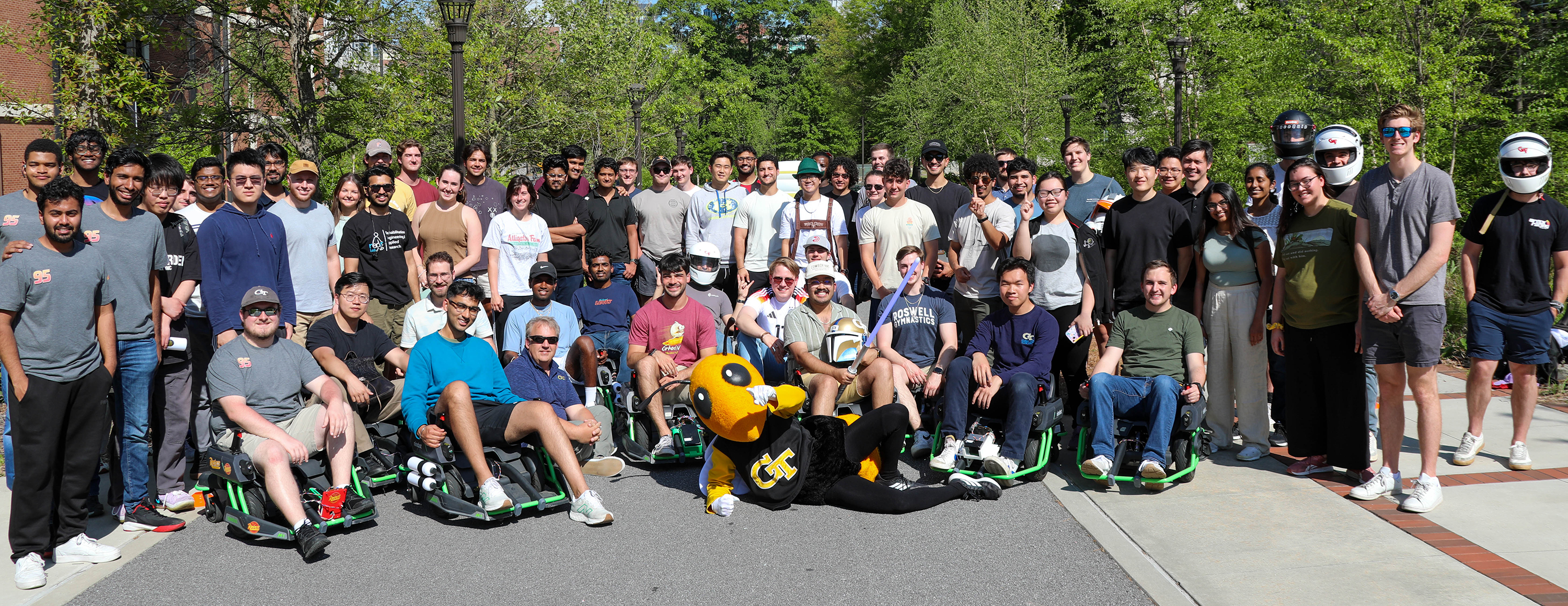
He is currently teaching and developing new courses in areas such as automotive propulsion, drones, machine learning, and intrapreneurship, and is helping launch Design for Planet Impact, a social-good startup that enables students to apply engineering skills to societal challenges.
“The students and faculty are truly world-class, and the optimistic, forward-looking energy on campus is contagious,” Tinskey said. “It’s an environment where people are excited to learn, build, and push boundaries together.”
Looking Ahead
Together, these faculty members demonstrate how teaching faculty at the Woodruff School shape curriculum, lead innovation, and build learning communities that extend far beyond a single course.
For educators passionate about teaching, collaboration, and impact, the Woodruff School offers both a classroom and a platform to help shape the future of engineering education. The Woodruff School’s current teaching faculty job openings include multiple open rank lecturer/senior lecturer positions; a director of laboratory development - academic professional; and a professor of the practice. For more information or to apply, click here.